How to Prepare for E-commerce Peak Season?..

ecommerce,
e-commerce,
peak management,
Published on Thu May 15 2025
Updated on Fri Aug 08 2025
6 minute read
Let's talk about conquering those peak surges in your call center activities.
What is peak season and how can it affect your business?
What should you keep in mind when planning?
How are consumers buying?
While desktops are still the most popular way to buy online, there is a growing trend for people to use their mobile phones and tablets. In fact, last year mobile devices accounted for 22% of all e-commerce traffic and 10% of sales on Cyber Monday, the biggest online shopping day of the year.
This is important to consider when planning for e-commerce peak season, as the kinds of channels you have available not only for consumers to order through, but to contact you by, will determine how well they rate the overall experience with your business.
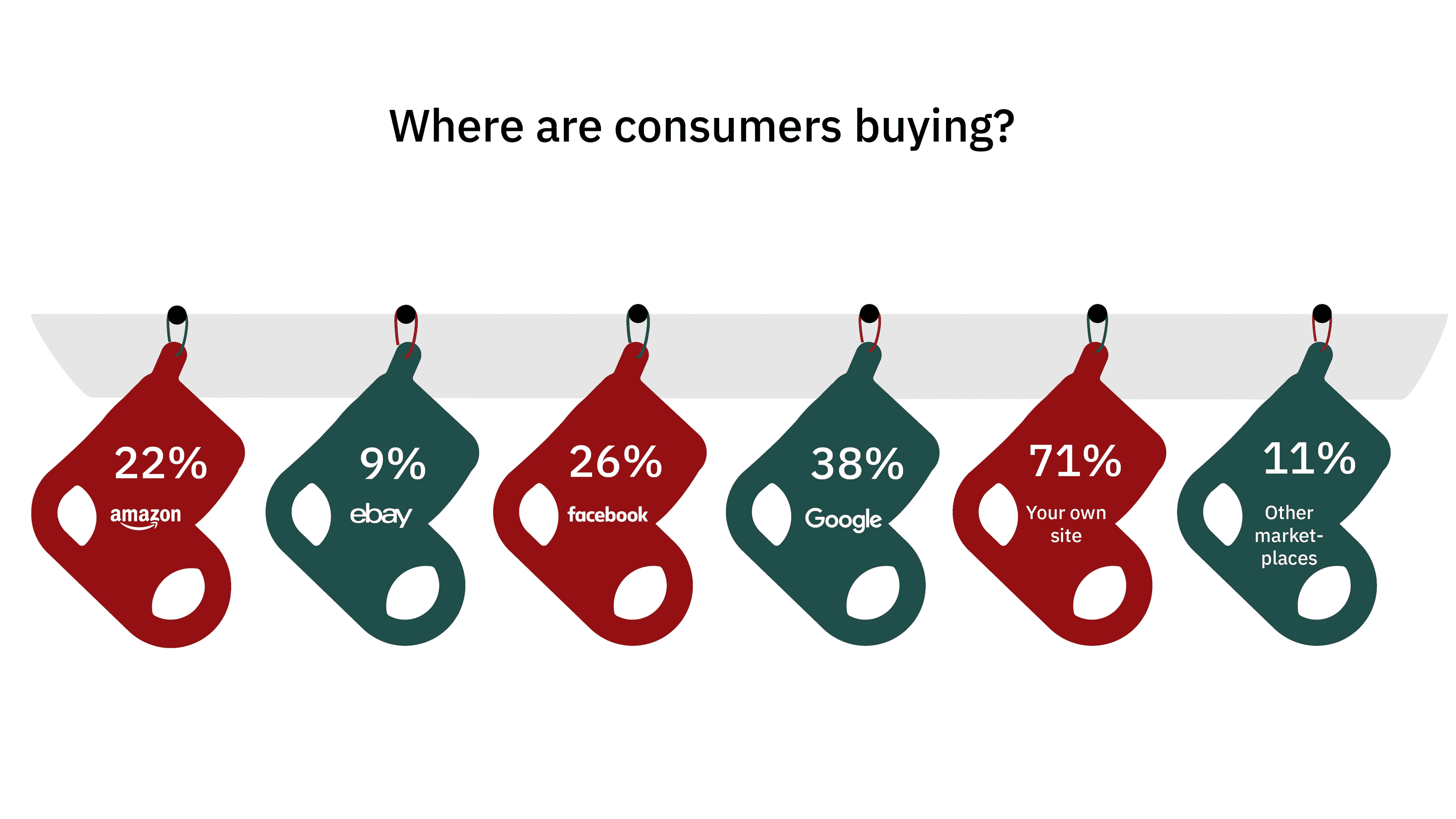
What are consumers buying, and when?
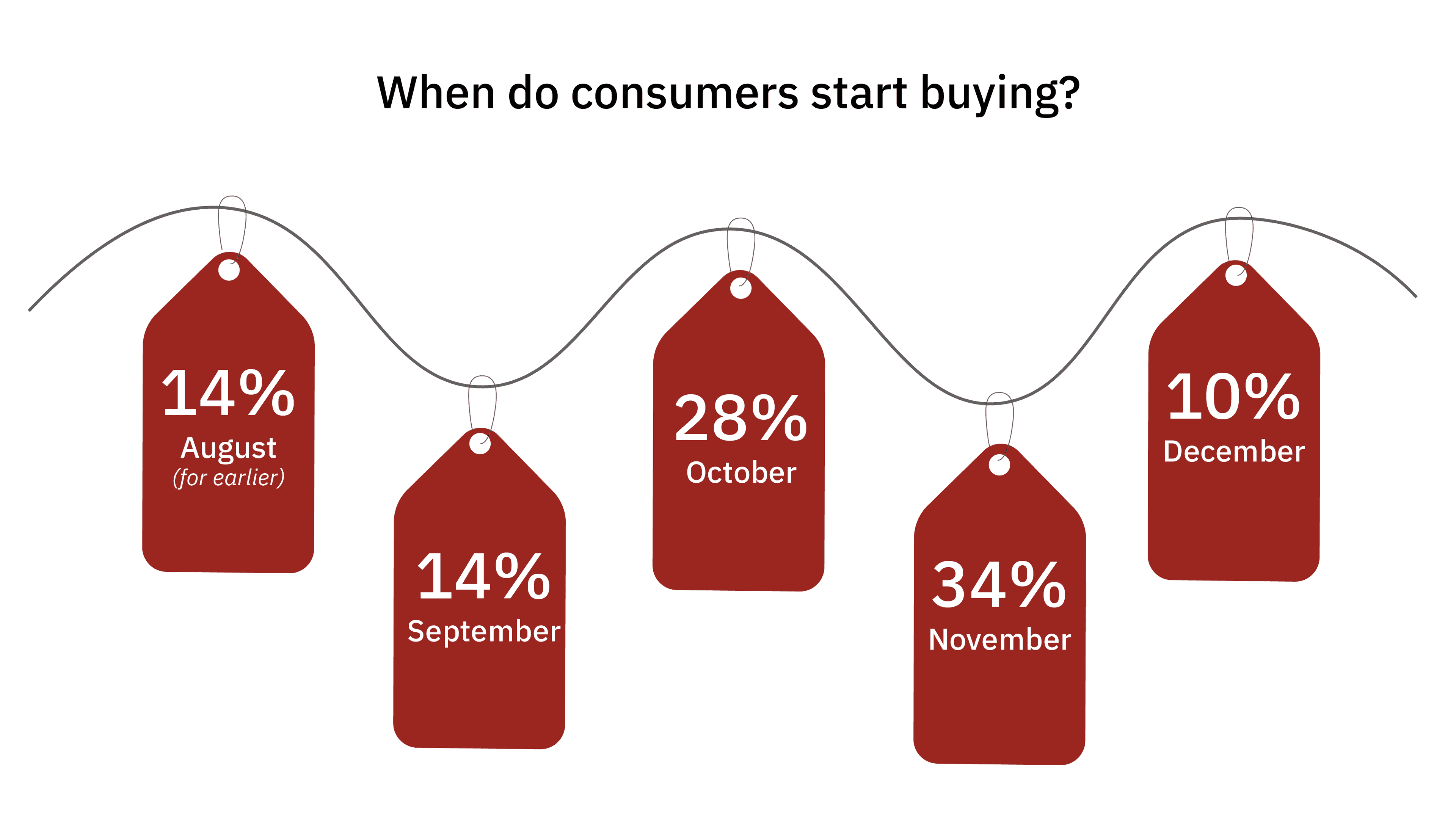
Let’s get our shopping list together.
1. Make sure your website is mobile-friendly and can handle the traffic.
This is critical! Nothing will turn off customers more than a slow, unresponsive website. If you're not sure your site can handle the traffic, consider using a content delivery network (CDN) to offload some of the strain.
In the same vein, with more and more people using mobile devices to shop online, it’s important to make sure your website is optimized for these devices. This means having a responsive design that automatically adjusts to the different screen sizes, or even creating a dedicated mobile app.
2. Plan ahead for customer service.
You'll likely see an increase in customer service inquiries during the e-commerce peak season. Make sure you have enough staff on hand to handle the volume, or consider using an automated customer service solution.
This is where technology such as chatbots, voicebots, automatic replies, or IVR can come in handy and help to take the strain off your customer support teams.
3. Prepare your inventory and make sure checkout is smooth.
This is especially important if you sell physical goods. Make sure you have enough product in stock to meet the demand, and that your products are properly packaged and ready to ship. You’ll also likely be dealing with a lot of logistical queries and issues like returns, which can make or break a customer experience.
Checkouts are often where things can go wrong. Make sure your process is streamlined and easy to use, so that customers can complete their purchases without any hiccups.
4. That’s a good deal!
Everybody loves a bargain, so get the word out about your special deals and promotions well in advance. This will help build excitement and get customers to your website when they're ready to buy.
It could be anything from free shipping to percentage discounts on certain products or services - whatever it is, make sure your consumers know about it well in advance of e-commerce peak season.
“Where’s my package?”
How to preempt e-commerce returns during peak season?
Offer a generous return policy.
If your customers feel as though they can easily return items that don’t meet their expectations, they’ll be more likely to shop with you.
Make returns a breeze.
With clear instructions to follow, and a streamlined process, returning items should be as easy as possible for your consumers.
Encourage early birds.
By incentivizing customers to start their shopping earlier, you can avoid last-minute returns. Discount codes or free shipping can be a great way to entice them.
Empower your customer service staff.
Your people are your greatest resource, and the voice that can leave a customer satisfied and loyal to your business. Keep them informed, communicate updates regularly, and train them to feel empowered in making decisions that can make a difference to the customer’s issue.
Read more
Created at Fri Oct 09 2026
10 min read
How to measure the ROI of customer experience investments: formulae, steps, and solutions.
Customer satisfaction might be key to long-term business success, but satisfying today’s CFOs and board members to secure the necessary investments takes hard financial evidence. Discover what CX ROI really means in financial terms and why it’s so critical to your bottom line. We break down the four-step framework you’ll need to measure it in practice - from establishing baselines and determining CX levers, to linking them to financial outcomes and calculating net returns. We’l