Robotic Desktop Automation in call centers...

Automation,
call center automation,
bots,
Published on Thu May 15 2025
Updated on Fri Aug 08 2025
6 minute read
Ever feel like your call center agents are drowning in repetitive tasks, leaving them with less time for high-value customer interactions? Are both your average handling time and first resolution time sky-high? This is where Robotic Desktop Automation (RDA) steps in. As a leading provider of customer experience (CX) solutions, we understand the pressure to streamline operations and boost agent productivity. This article dives deep into how RDA solutions leverage the power of automation to revolutionize your call center. We'll explore the specific benefits you can expect, along with real-world examples showcasing the transformative impact of RDA on CX. Get ready to unlock a new era of agent empowerment and customer satisfaction – all powered by Robotic Desktop Automation.
What exactly is Robotic Desktop Automation?
How is it different from Robotic Process Automation?
Different scopes.
RDA focuses on empowering the individual user within their own desktop environment. It automates tasks performed on applications and programs that the user directly interacts with. Think of RDA as a highly-tailored personal assistant that streamlines your individual workflow, eliminating tedious distractions. In contrast, RPA has a broader reach, automating processes across multiple applications, desktops, and even entire departments. While powerful, RPA often resembles a centralized system focused on complex back-end processes – potentially less personalized for the individual user.
Different levels of user interaction.
The sidekick analogy wasn’t just for show - RDA works in tandem with a human agent. The automation complements the user's work by handling repetitive tasks within the same application or program the user is actively using. For instance, an RDA bot might automatically populate data fields in a customer service application while the agent interacts directly with the customer. RPA, on the other hand, is designed to function with less user input. It can execute predefined processes across various systems without requiring constant human intervention. This can also make it more rigid due to its predefined nature.
In essence, RDA is a user-centric automation tool focused on helping the individual user as much as possible, while RPA is an enterprise-level solution designed for automating complex workflows across interconnected systems. None is better than the other as they represent two distinct approaches to automation, each suited for different needs within an organization.
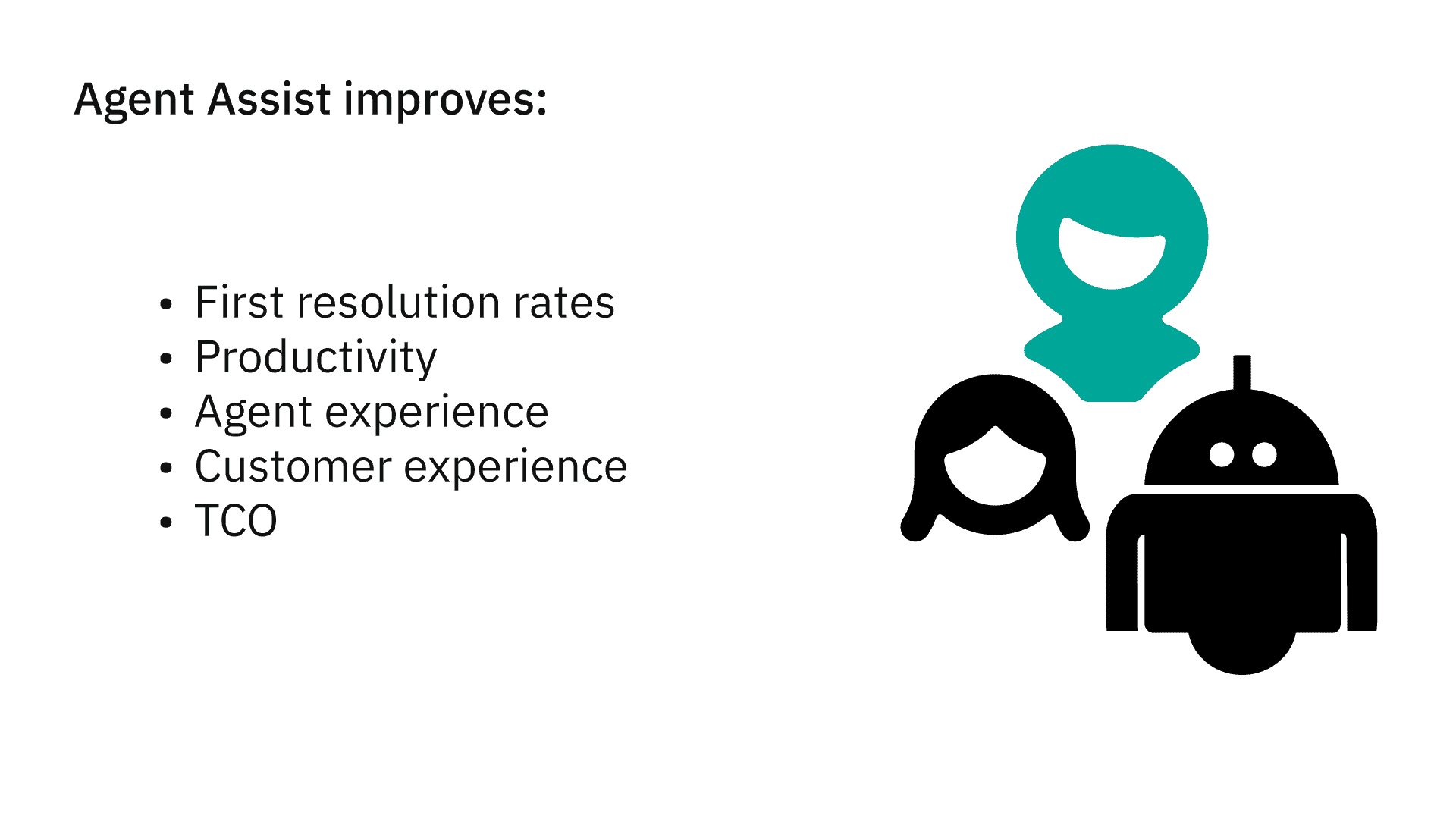
What are its benefits?
How does Transcom do Robotic Desktop Automation?
Read more
Created at Fri Oct 09 2026
10 min read
How to measure the ROI of customer experience investments: formulae, steps, and solutions.
Customer satisfaction might be key to long-term business success, but satisfying today’s CFOs and board members to secure the necessary investments takes hard financial evidence. Discover what CX ROI really means in financial terms and why it’s so critical to your bottom line. We break down the four-step framework you’ll need to measure it in practice - from establishing baselines and determining CX levers, to linking them to financial outcomes and calculating net returns. We’l