E-commerce customer experience best practices
Published on Thu May 15 2025
Updated on Fri Aug 08 2025
10 minute read
It may seem like a small part of the e-commerce customer experience, but providing excellent customer service is essential for retaining customers and will help to create an atmosphere where your customers feel valued and appreciated. When customers know that their needs are being taken care of in a timely manner, they're more likely to stick around and do business with you again in the future – which is exactly what any successful e-commerce business wants.
What is e-commerce customer experience?
Ecommerce customer experience is a term that refers to the overall customer journey potential customers take when interacting with an online store. From their initial discovery of your website, to researching products and checking out, it's critical for e-commerce businesses to create an enjoyable and seamless experience throughout this process.
Ultimately, creating an enjoyable e-commerce customer experience is key to any online store's success. It's important to remember that shoppers nowadays have plenty of choices available, so you'll want to make sure your website stands out from the competition by delivering a streamlined shopping journey every time. That means that having an expansive catalog, competitive prices, and good offers just isn’t enough anymore. A sizeable amount of customers are prepared to pay more at a store that offers a good experience.
It’s important to always keep track of what your experience is like by monitoring metrics and analyzing data. This will allow you to make any future changes more impactful and more aligned with the preferences of your customers. With some careful planning and attention to detail, you can provide customers with an exceptional online experience that will keep them coming back again and again.
What is e-commerce customer experience?
Ecommerce customer experience is a term that refers to the overall customer journey potential customers take when interacting with an online store. From their initial discovery of your website, to researching products and checking out, it's critical for e-commerce businesses to create an enjoyable and seamless experience throughout this process.
Ultimately, creating an enjoyable e-commerce customer experience is key to any online store's success. It's important to remember that shoppers nowadays have plenty of choices available, so you'll want to make sure your website stands out from the competition by delivering a streamlined shopping journey every time. That means that having an expansive catalog, competitive prices, and good offers just isn’t enough anymore. A sizeable amount of customers are prepared to pay more at a store that offers a good experience.
It’s important to always keep track of what your experience is like by monitoring metrics and analyzing data. This will allow you to make any future changes more impactful and more aligned with the preferences of your customers. With some careful planning and attention to detail, you can provide customers with an exceptional online experience that will keep them coming back again and again.
Phases of the e-commerce process.
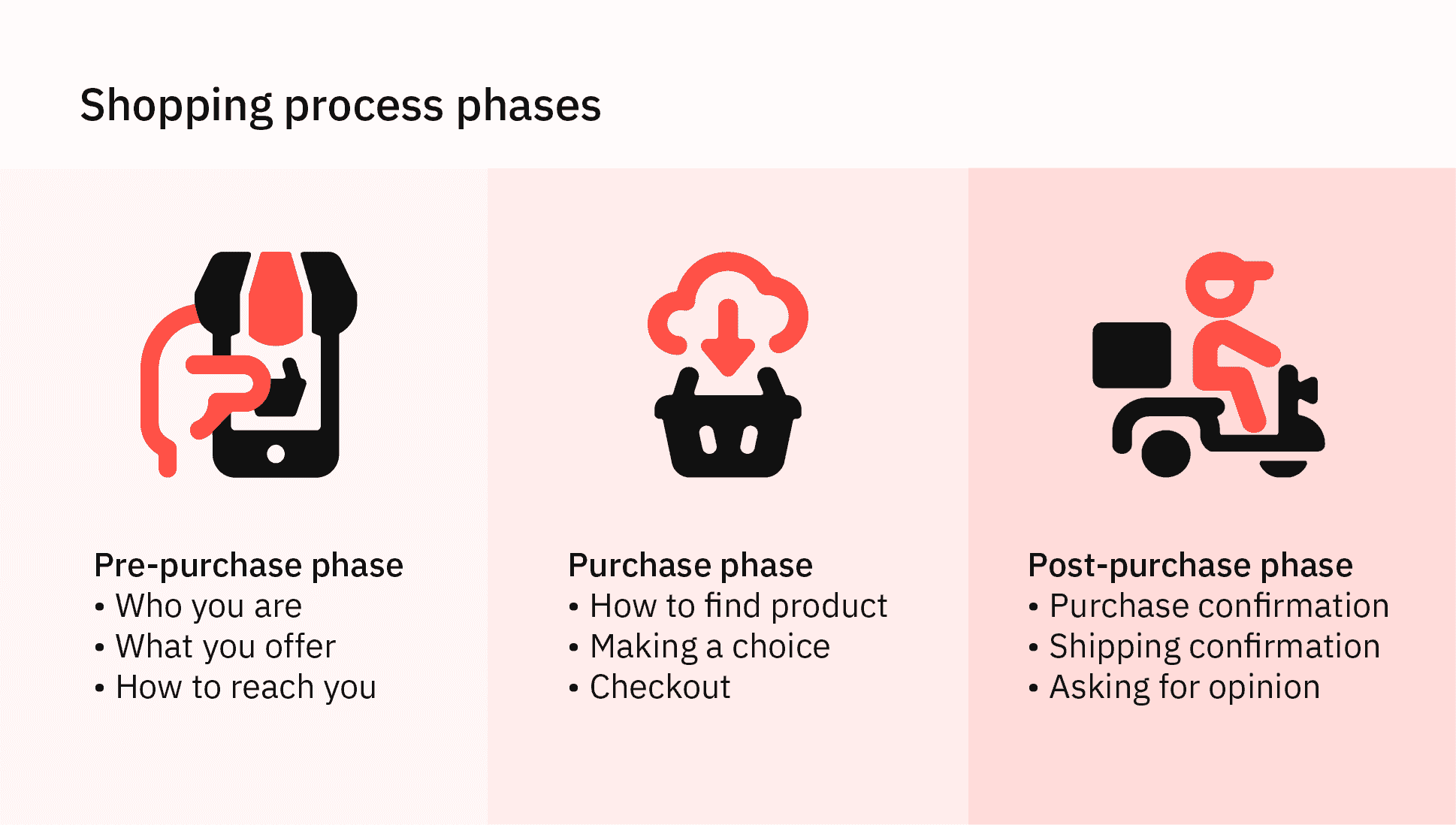
A lot of businesses will think of the e-commerce experience as beginning and ending with the process of purchase. This mindset and viewpoint severely hinders and limits the ability of the retailer to create an enjoyable e-commerce customer experience by limiting the pool of changes they can make.
When painting a picture of the ideal e-commerce customer experience, it goes beyond simply the point of purchase as that's just one element and should not be treated as the defining measure or factor. The whole journey should be taken into consideration when attempting to create an enjoyable customer experience. This includes everything from before the moment they land on your website to even after their purchase is complete.
That's why we'll take a look at the three phases of the e-commerce experience, what they entail, and why they're important to you as a business and to your customers. By understanding the different aspects of this experience you are able to critically think about the complete picture of your service, and you can start to see where your strengths and weaknesses lie, as well as identify what areas need improvement.
Phases of the e-commerce process.
A lot of businesses will think of the e-commerce experience as beginning and ending with the process of purchase. This mindset and viewpoint severely hinders and limits the ability of the retailer to create an enjoyable e-commerce customer experience by limiting the pool of changes they can make.
When painting a picture of the ideal e-commerce customer experience, it goes beyond simply the point of purchase as that's just one element and should not be treated as the defining measure or factor. The whole journey should be taken into consideration when attempting to create an enjoyable customer experience. This includes everything from before the moment they land on your website to even after their purchase is complete.
That's why we'll take a look at the three phases of the e-commerce experience, what they entail, and why they're important to you as a business and to your customers. By understanding the different aspects of this experience you are able to critically think about the complete picture of your service, and you can start to see where your strengths and weaknesses lie, as well as identify what areas need improvement.
The experience before purchase.
Why is the e-commerce customer experience important?
The answer to this question is obvious, but there is more to it than what’s on the surface level. Taking a look back at what we talked about in the phases of the e-commerce customer experience, businesses tend to focus on the middle phase because they think that’s the only one that brings in profit. Ofcourse you want to keep the customer happy and make their experience easy when shopping, it’s a no brainer. But it’s important to make yourself known, seen, and easily available. Because if the customer can’t reach you, they can’t buy. If the customer has a terrible experience after purchase, they will not come back afterwards. Short-term earnings are not good for a business.
Just like things may not be obvious when talking about why phases are important, the benefits and importance of good customer experience may also not be obvious. Apart from profit there’s customer loyalty, perceived value of your brand, the word of mouth that happy customers create. Even if their shopping experience was not perfect they may still be extremely satisfied with you on the whole because of a good customer support experience. Everything matters and everything adds value. So, let’s take a look at the three main benefits of a good e-commerce customer experience.
Customer loyalty.
Why is brand loyalty important? When customers are loyal to a company, they don't just buy their products - they come back again and again. This repeat business helps a company stay profitable and remain competitive in an ever-changing marketplace. Plus, it allows businesses to build relationships with their customers that result in better connection and understanding of what drives them to purchase from one brand over another. No matter the size or scope of your e-commerce business, having loyal customers can be invaluable. In short, a business that’s loyal to its customers produces loyal customers.
Customer loyalty also can create a positive feedback loop because of the relationship built with the customers themselves. Because they have a connection with your brand they are more likely to fill out questionnaires, polls and surveys. Also, loyal, emotionally connected customers are the first ones to speak out if something is truly wrong with your service because they care and they want to keep having that relationship with your brand. This creates an abundance of data that can be used to further improve your e-commerce customer experience or to even stop changes that might damage it.
It’s easy to see how invaluable customer loyalty can be for your business. It keeps your existing customers, creates a foundation for growth, quickly provides you with large volumes of anecdotal data, provides damage limitation, and much, much more.
What does a good e-commerce customer experience look like?
A good e-commerce customer experience should be seamless and enjoyable. It should involve little to no effort for customers to find what they need, make their purchase in a few clicks, and have the product arrive promptly without any delays. Customers should feel valued throughout their shopping journey and have access to helpful resources if needed. The checkout process should be simple and straightforward with clear communication about payment options, delivery times, and estimated arrival dates. Above all, the customer's trust should be earned by providing an inclusive, secure platform where their data is protected from malicious attacks. All of these efforts contribute towards cultivating relationships that last while creating an unforgettable experience for shoppers.
Apart from that, e-commerce customer experience should also focus on delighting customers. This could include offering personalized recommendations, providing rewards for loyalty and purchases, or simply connecting with customers in a meaningful way. A great customer experience isn't just about delivering what’s expected – it’s about going the extra mile to surprise and exceed expectations. You want your customers to actively think about how easy their journey was. You don’t want them to just walk away without objections, you want them to finish their shopping experience and say: “Wow, that was so easy!”
How can you measure e-commerce customer experience?
In order to create a good or excellent e-commerce customer experience, you first need to know what you’re doing wrong and what your customers think of the experience you provide. To do this, you need to monitor certain metrics and know how to interpret them. There is a myriad of different ways to approach measuring and grading your customer experience.
While vital, many businesses shy away from trying to rate their experience. The issue that you would face if you tried to assign a rating to the experience you offer is that the data is mostly anecdotal, hard to quantify, easily misinterpreted, and difficult to create objective surveys to extract. That’s where trusted partners like Transcom come in. Our job is to apply our decades of experience and apply it in such a way as to easily and efficiently extract valuable and valid data and interpret it in an actually helpful way. So, how do we actually go about trying to measure your customer experience?
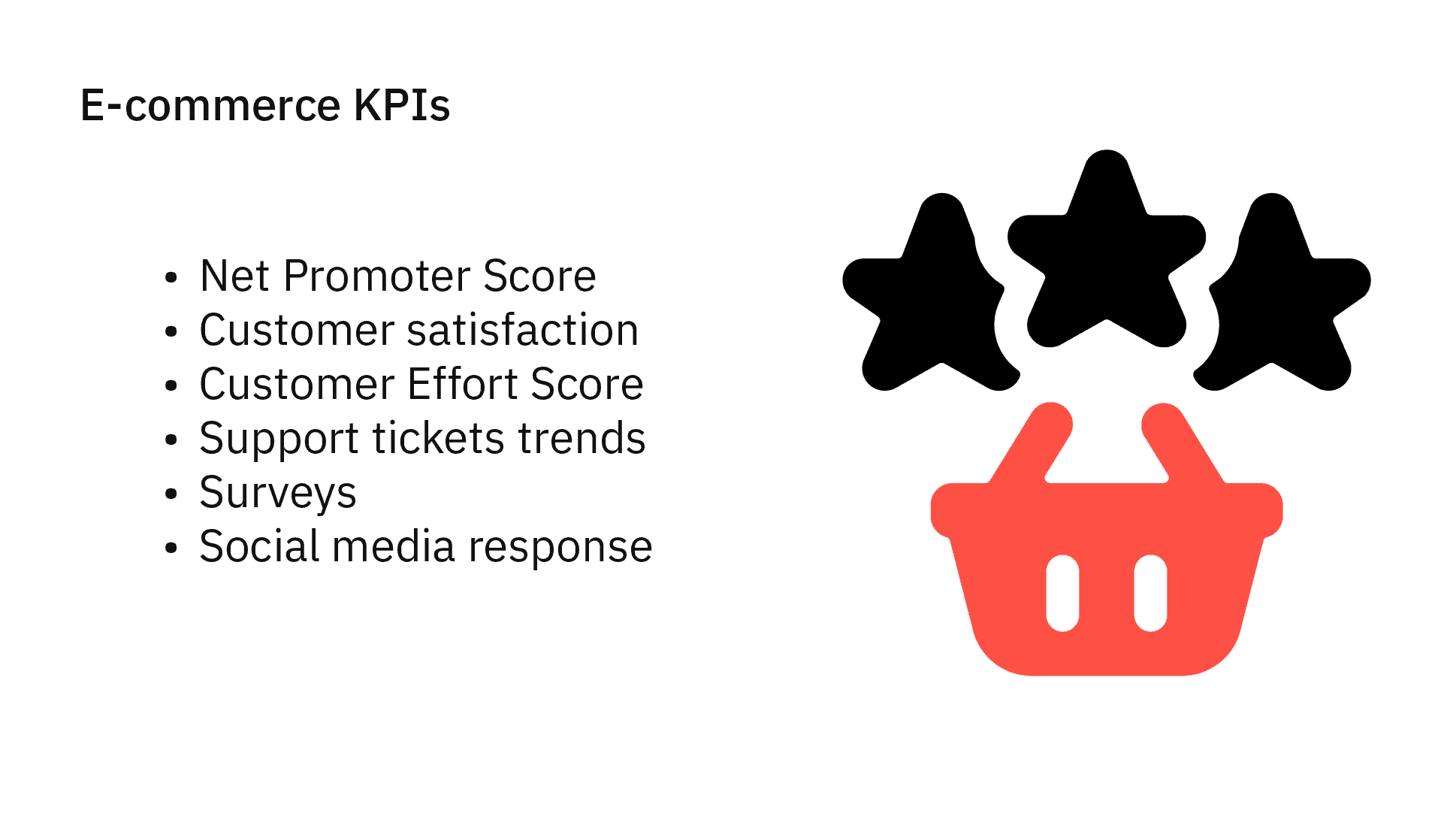
Net Promoter Score (NPS) is a measure of customer satisfaction with their experience in e-commerce. It’s like a report card for how well you know your customers and if they're happy with your service. NPS helps you see what customers think about your product or service so you can make improvements where necessary. It’s a great way to track customer satisfaction and loyalty over time.
For an e-commerce business, it’s all about providing a great customer experience that customers can rate on a scale of 0-10. If your customers are giving you high scores, then you know your store is succeeding in providing the best e-commerce customer experience possible. And if they aren’t happy? You have work to do. It might be time to revamp your product offerings, update your website design, or hone in on better customer service practices. Either way, NPS gives you the insight you need to make sure your business keeps up with the ever-changing standards of the e-commerce world.
Some other benefits of NPS are that it allows you to quickly get feedback from their customers, enabling them to make changes where necessary. It also shows business owners which areas they need to focus on in order to improve customer experience. Lastly, using the NPS score is a great way for businesses to keep track of what works and what doesn’t – helping them make informed decisions about their e-commerce strategies.
That’s why NPS is such an important metric for any e-commerce business looking to measure its success. With the right data and insights, your store can stay ahead of the curve and provide your customers with the best possible experience.
What are some best practices for e-commerce customer experience?
When it comes to e-commerce customer experience, there's no one-size-fits-all approach. But there are some best practices you can use to make sure your store provides the best experience possible for your shoppers. From providing top-notch product descriptions to creating a seamless checkout process, these tips will help you make sure your customers are getting the best possible service.
This is not specific advice, and there is no one-size-fits-all solution to problems in CX. These guidelines should be your mantra, and guiding light throughout your business endeavors. Things to keep in mind whenever you’re making a change in your customer journey or thinking of implementing something new.
Evaluate yourself honestly.
A great e-commerce experience can be the difference between an unhappy customer and one who comes back time and again to shop from your store. Evaluating how well you’re delivering your customers a smooth, enjoyable shopping experience will go a long way toward developing loyalty and increasing sales. Especially if you take off the rose-colored glasses and start being honest with yourself. While you might be emotionally connected to some decisions they should be done away with the moment they prove not useful.
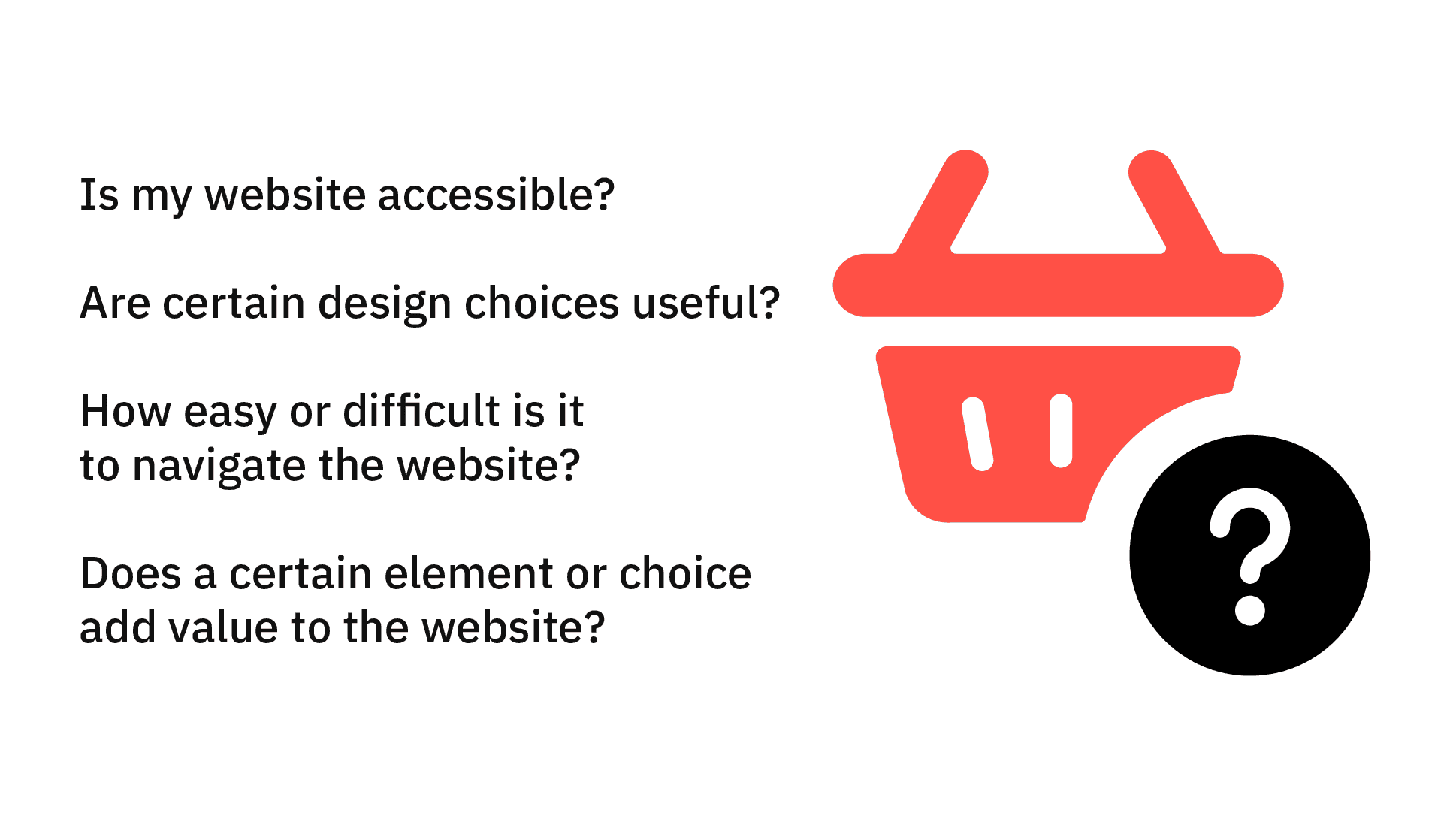
Start by asking yourself: what do I want my customers to feel when they shop with me? Do they have all the information they need? Are their questions answered quickly? Is it easy for them to complete their purchase? If not, it’s time to take a closer look at your e-commerce customer experience and make improvements.
From ensuring that your website is optimized for mobile devices to making sure the checkout process is simple and secure, there are plenty of ways to give customers a great e-commerce experience. Once you’ve identified areas of improvement, it’s time to get creative. Experiment with different layouts or include helpful resources like product videos or testimonials. The better the experience you provide your customers, the more likely they are to stay engaged and become loyal fans of your business.
It’s not enough to rely solely on customer feedback. Evaluating your business is an important part of any retail strategy- it allows you to identify where improvements can be made and create solutions that will ensure a top-notch customer experience.
Gather. Compile. Analyze.
Invest in quality bots.
The use of quality bots in e-commerce customer experience is essential for retail businesses. By utilizing chatbots, retailers can provide a fast and efficient response to customers’ questions, inquiries, and orders. This can not only reduce the time needed for customer service but also help to improve customer satisfaction and loyalty.
Chatbots are able to provide customers with up-to-date information about products, services, and promotions. For instance, they can show the availability of items in stock, enable users to create their own accounts, or even allow them to track an order’s status. By providing this kind of convenience, chatbots can help businesses increase their sales and build brand loyalty.
Furthermore, bots can help reduce wait times by immediately providing answers or connecting customers with the right department or person to handle their requests. Quality bots also offer automated features that save time and money while delivering an exceptional level of service every time. This allows customers to stay informed and updated on special offers, promotions, product launches, and upcoming events without having to constantly check the website or contact customer service. Most importantly, using quality bots provides retail stores with more control over their sales process as well as giving them access to valuable data about their customers. All of these benefits make quality bots a key part of any e-commerce customer experience.
Personalize customer results.
When it comes to delivering the ultimate e-commerce customer experience, personalized results are key. By showing shoppers products or services that have been tailored to their individual needs, you can increase engagement and even boost sales. It's all about giving your customers what they want - fast.
First off, a personalized approach helps to give customers a sense of connection with your brand. When they see items that relate to their interests or preferences, they feel more comfortable and confident in their journey through your store – leading to higher conversion rates. Also, when it comes to creating an unforgettable shopping experience for each customer, personalization is essential. Whether it’s recommendations based on previous purchases or an exclusive sale offer tailored just for them, providing shoppers with a personalized experience increases their likelihood of returning.
Finally, personalization helps to build trust between you and your customers. When they see that you’ve gone out of your way to provide them with relevant recommendations or offers, they’ll come to view you as reliable and trustworthy – increasing loyalty in the long run. By creating content tailored to suit each individual need, you can create an unforgettable journey for every shopper - one that will keep them coming back for more.
How to improve your e-commerce customer experience?
It's no secret that providing customers with good experiences is a key part of success for any e-commerce business. That's why it's important to make sure you're creating the best possible customer experience on your webstore. But how can you do this? If you're already using the best practices mentioned above you're on the right track, but there's always room for more improvement.
In this blog section, we'll explore different strategies to help you create an even better e-commerce customer experience. We'll dive into the nitty-gritty of how to provide customers with a memorable and hassle-free shopping experience, from the moment they visit your store to when they leave with their purchases. We'll also touch on ways to make sure your customers come back for more.
Become data-driven and customer-focused.
When it comes to retail, being data-driven and customer-focused is the key to success. As consumers become more accustomed to shopping online, it's essential for retailers to deliver excellent e-commerce customer experiences that build loyalty and boost sales. To achieve this, businesses need access to data about their customers, so they can understand their individual needs and preferences in order to deliver personalized content and services that keep them coming back.
Data can help businesses make decisions about everything from what products they should stock to how they should market their offerings. By analyzing customer behavior patterns, businesses can better target their promotions or adjust pricing based on demand for certain items. This allows them to quickly adapt and respond to changes in customer sentiment. They can also use data to develop customer segmentations so they can deliver tailored experiences that are more likely to result in purchases.
Data-driven strategies also enable businesses to optimize their online stores for a better user experience. By understanding what customers want and how they interact with the store, retailers can make improvements such as simplifying navigation or tweaking product descriptions to drive conversions. Additionally, data can be used to improve shipping times and services, as well as provide in-depth insights about customer actions - like abandoned carts - so problems can be identified and solutions implemented quickly.
Simplify the customer journey.
The success of any e-commerce venture depends on the customer experience it provides. Simplifying your customer journey is essential for optimizing the shopping experience and driving conversions. By streamlining the checkout process, providing clear navigation, and ensuring a seamless transition from product discovery to delivery, retailers can create a more enjoyable shopping experience that keeps customers coming back again and again.
Another benefit of simplifying the customer journey is reduced friction when making purchases. The fewer clicks required to complete checkout or find desired products, the less likely customers are to abandon their cart due to frustration or confusion. During peak times like holidays and sales events, reducing friction and peak management becomes even more important as long wait times can deter customers from completing their purchases altogether. Creating an intuitive user interface that allows customers to easily move from one step of the purchase process to the next can increase conversions and build a loyal customer base.
Finally, simplifying the customer journey makes it easier for retailers to track user behavior and optimize their shopping experiences. By reducing clicks and streamlining navigation, merchants can quickly identify areas within the customer journey where customers are dropping off or experiencing delays. This valuable data can then be used to create targeted improvements that drive conversions and increase lifetime value.
Focus on the weaknesses of online retail.
The greatest weakness that online retail has is the fact that you can’t try anything on. Size, fit, and style are problems that have been plaguing e-commerce from it’s inception. That’s why augmented reality (AR) technology is so valuable in the retail space – it provides customers with an enhanced e-commerce experience by allowing them to visualize products before they buy. AR size and fit technology adds an extra layer of convenience and accuracy to online shopping, as people can now make more informed purchases from the comfort of their own homes.
Not only does this technology save time, but it also reduces the likelihood of returns due to incorrect sizing or poor fit. With AR size and fit solutions, shoppers get a much better idea of what they're buying before they commit to making a purchase. This not only boosts consumer confidence but also helps to build brand loyalty with customers who appreciate the accuracy and convenience of AR tools.
By creating a more enjoyable shopping experience for their consumers, brands can increase sales and decrease returns. This is an invaluable asset that retailers should take advantage of in order to stay competitive and maximize customer satisfaction. So if you're looking for a way to improve your e-commerce customer experience, then look no further than AR size and fit technology. It’s sure to be a perfect fit.
Think about mobile.
If you're an e-commerce business, there's no denying the importance of customer experience. And with more and more shoppers using their mobile devices to browse, buy and review products online, creating a seamless, engaging mobile experience is paramount for success.
Having an optimized site that looks great on both desktop and mobile helps ensure customers can find what they're looking for quickly and easily. But it takes much more than just having a responsive design. It’s not as simple as just creating a mobile version of your site and that’s it. Mobile usage is completely different than desktop and you have to take into account the specifics of mobile.
Another important element of a great mobile experience is the checkout process. It should be simple, secure, and streamlined. This means fast-loading pages, minimal distractions (such as pop-up ads), and easy payment options – all of which will help to keep customers engaged throughout the entire transaction.